Gaelic football and county competitions
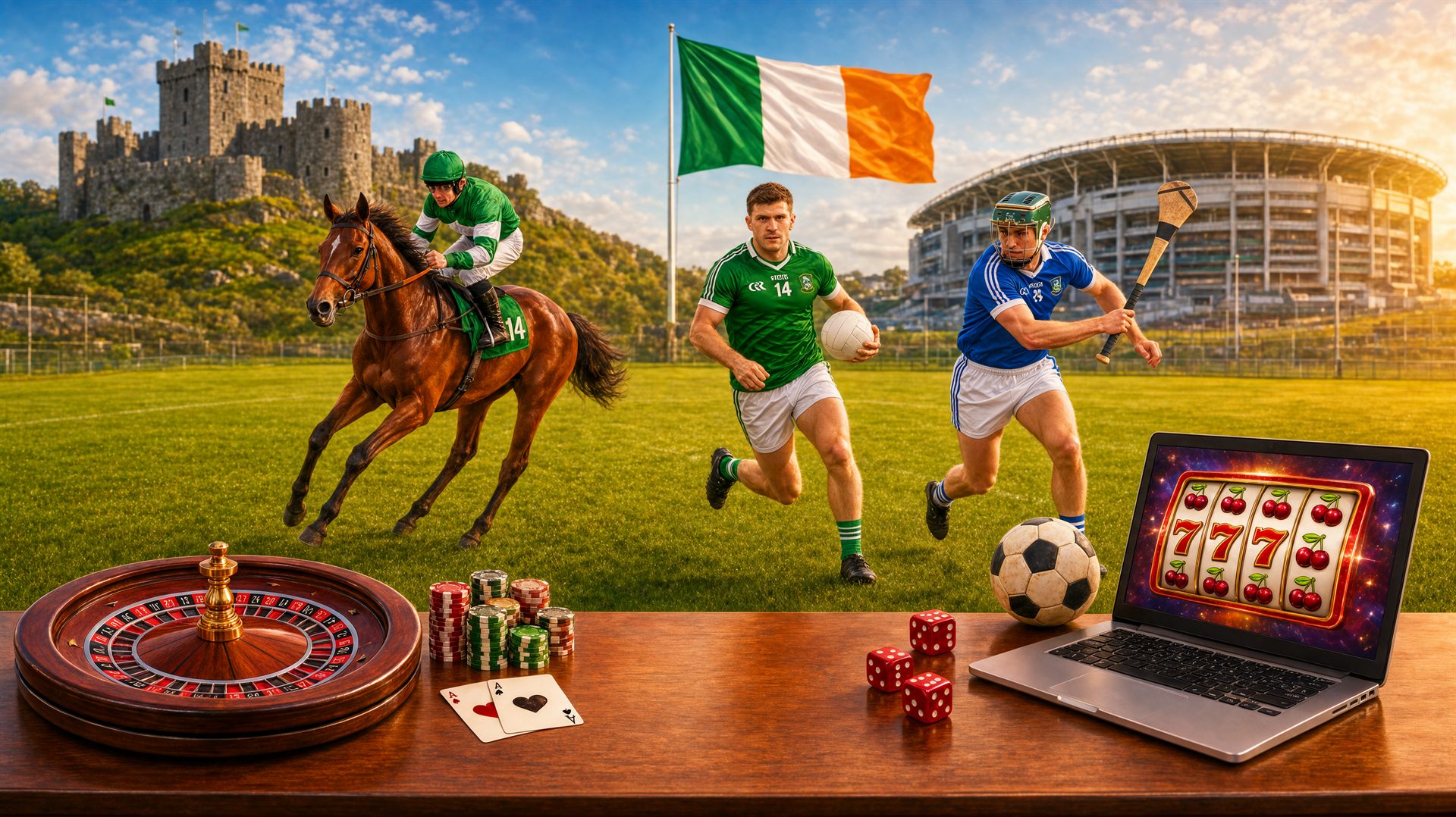
Run by the Gaelic Athletic Association, Gaelic football is played at both club and county level, and the All-Ireland Senior Football Championship is its defining event. Typical markets include match results, handicaps, total points, half-time outcomes and winning margins. Availability and settlement rules are set by each provider.
Hurling: a distinctive Irish sport
Hurling is played with a wooden stick and a small ball, and is known for its speed and physical demands. The All-Ireland Senior Hurling Championship is the major annual competition. Markets may include match winners, total points and handicaps.
Association football
Football is followed through the League of Ireland, international matches and European competitions. Common markets include match result, both teams to score, total goals, correct score, handicaps and outright winners. Rules differ by market and by competition, particularly where extra time or penalties are involved.
Rugby union in Ireland
The national team competes internationally while the provincial sides play in domestic and European competition. The Six Nations, the United Rugby Championship and European club contests attract the widest interest. Markets may cover results, points totals, handicaps and tournament winners. Rugby’s scoring system and match format differ from football, which changes how totals and handicaps behave.
Golf competitions
Golf has a strong presence in Ireland, both as a participation sport and as a spectator one. Markets can include tournament winners, head-to-head matchups, finishing positions and round-specific outcomes. Multi-day events are exposed to weather and changing course conditions, which affects how markets move between rounds.
Tennis and international events
Tennis is followed mainly through the major championships and the professional tours. Markets may include match winners, set outcomes, total games and handicaps. Injuries, withdrawals and weather can all interrupt a match, so the rules covering retirements and unfinished matches are worth reading before placing a selection.
Other sports
Markets may also exist for basketball, boxing, motorsport, athletics, cycling and international tournaments, though availability varies considerably by event and by provider.
Different types of sports markets
Match outcome
Selecting the result of a single fixture. The simplest market type, though the treatment of draws and extra time differs between sports.
Points and goals totals
Choosing whether the combined score will fall over or under a stated figure, rather than backing a particular side.
Handicap selections
One side starts with an adjusted position, which changes the balance of a fixture where the teams are unevenly matched.
Tournament winner
An outright selection on the eventual winner of a championship or tournament, settled only once the competition concludes.
In-play markets
Selections made after play has started. Prices change as the event develops, and decisions often have to be made quickly — which makes spending limits especially important here.
Settlement rules
Abandonments, postponements, withdrawals and rule variations are handled differently by each operator. The terms decide the outcome, not the scoreboard alone.
Reviewing a betting operator
Before using any service, check both its regulatory status and the practical conditions attached to its products:
- Confirm the licensing position for the specific activity offered.
- Read the account registration and identity verification requirements.
- Review payment methods, deposit terms and withdrawal conditions.
- Read the market rules, including void and settlement provisions.
- Check how customer support and complaints are handled.
- Read promotions in full — eligibility limits and additional terms usually apply.